Why Berkeley landlords reglaze instead of replace
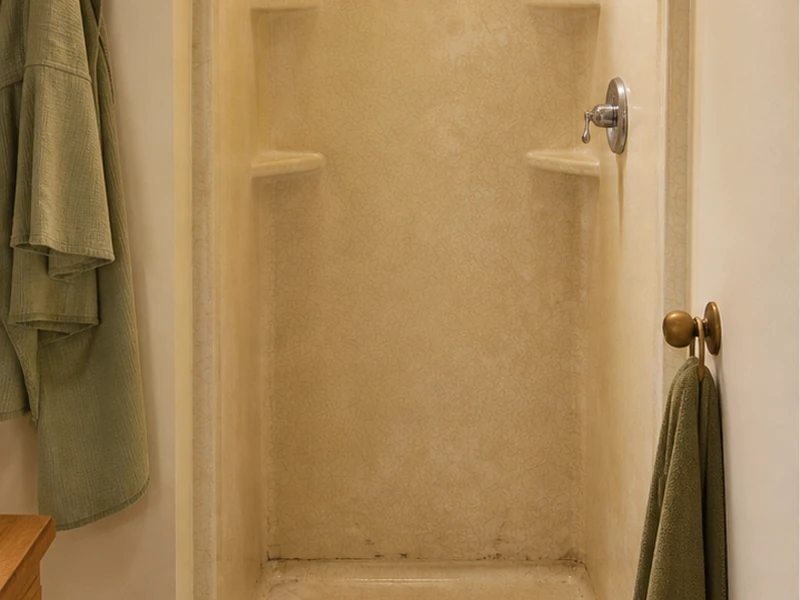
Berkeley is one of the densest rental markets in the East Bay, and most of its income property is old. The flats around Southside and Le Conte that house students near campus, the brown-shingle duplexes of North Berkeley, the converted Craftsman fourplexes in Elmwood, and the 1960s and 1970s walk-ups along University and San Pablo all share one trait: the bathrooms are decades older than the last tenant. A built-in cast-iron tub in a 1925 building has been bathed in for three or four generations of renters; a molded fiberglass tub-and-shower unit in a 1972 apartment has gone chalky and crazed. By the time a unit turns over, the tub is usually the worst-looking thing in the bathroom, and a yellowed, stained tub photographs badly and shows badly at a walk-through.
Ripping the fixture out is the expensive answer. A built-in cast-iron tub is tiled into the wall and weighs more than the two people carrying it; pulling it means demolishing the surround, disturbing the lath-and-plaster that is original to so many Berkeley buildings, resetting the drain and valve, and waiting on a new tub to arrive before the room can be closed back up. That is a week the unit sits dark, plus a four-figure bill, plus the risk of a city inspection if the work touches plumbing. For a one-piece fiberglass unit the demolition is messier still, because it is built into the framing and the wall has to come apart around it.
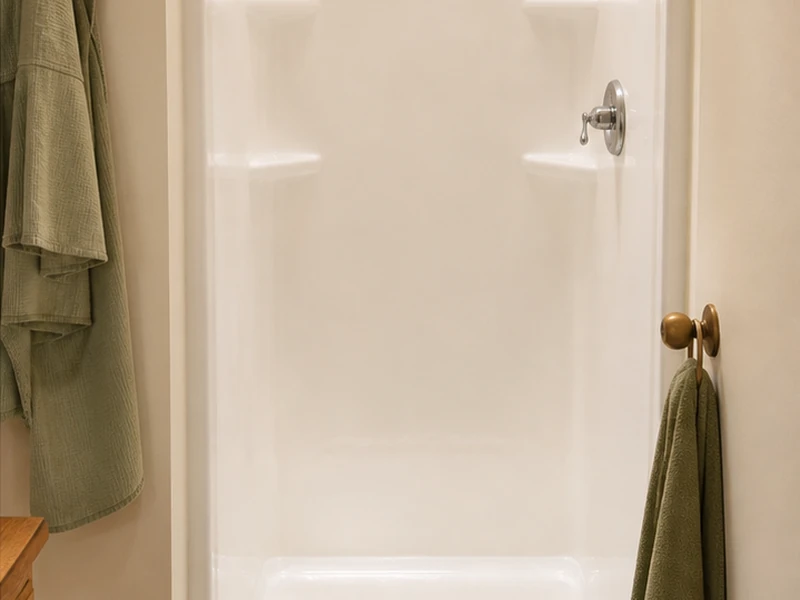
Reglazing skips the whole ordeal. We refinish the existing fixture in place in a single afternoon, the coating cures overnight into the next day, and the unit comes back looking like a new insert went in — without a permit, a plumber, or a dumpster in the driveway. The savings run the same 50–75 percent against replacement that a homeowner sees, except a landlord runs that math across every unit, every turnover, year after year. For a manager handling a dozen addresses, the compounding is the whole point: a reglaze that costs a few hundred dollars protects a fixture for another decade and keeps the unit earning instead of empty. Since 2014 we have run roughly 140 turnover units through this routine across about 40 Berkeley buildings — from Elmwood fourplexes to West Berkeley walk-ups — so the timing and the per-unit math are not theoretical.
The turnover math: what a vacant day really costs
The reglaze fee is the small number in a turnover. The big number is the rent you do not collect while the unit sits empty. A typical Berkeley one-bedroom rents around $2,400 a month, which works out to roughly $80 a day; a two-bedroom near campus runs higher. Replacing a tub the conventional way takes the unit out of service for the better part of a week — demolition one day, plumbing the next, a new tub installed, tile reset, then drying and a final clean. Call it five to seven days dark. At $80 a day that is $400 to $560 of lost rent on top of the $3,000-plus replacement bill, before you have shown the unit once.
A reglaze collapses that window. We spray the fixture in 3–5 hours, the coating cures over the next 24–48 hours, and because we schedule that cure into days the unit is already vacant, it costs you nothing in lost rent. A tub we refinish on a Monday is dry, re-caulked and shown-ready by Wednesday or Thursday, while the rest of your make-ready — paint, carpet, cleaning — happens around it. For a building doing several turnovers a season, recovering five to seven vacancy days per unit is frequently worth more than the reglaze itself, which is why the managers who run the numbers stop tearing tubs out.
There is a quieter saving, too. A fresh, glossy white tub reads as "renovated" to a prospective tenant and lets you hold or lift the rent at re-lease; a stained, chip-rimmed tub invites a lowball and a longer search for a renter. Across a portfolio, that difference in how a unit shows is the kind of thing that does not appear on a single invoice but turns up clearly in the year-end vacancy figure.
Scheduling around tenants and occupied units
Most rental reglazing happens in the vacancy window, and that is the easiest case: the unit is empty, we coordinate keys or a lockbox with the property manager, and the cure runs while the unit sits between leases. We treat the move-out and move-in dates as hard edges and build the schedule to land the cure safely inside them, so the 24–48 hour wait never touches a paying tenant.
Occupied units take a little more planning but are routine for us. A reglaze leaves the bathroom usable again in 24–48 hours, so a single-bathroom unit needs the tenant to keep that one bathroom dry overnight — workable with a heads-up and, for short stretches, a neighboring unit or a gym shower. We leave clear, written care notes for the resident, mask off thoroughly, and ventilate so the work is tidy and the odor is gone quickly. For HOAs and small hotels, where rooms turn constantly, we sequence the work room by room so the property never goes fully offline.
For larger accounts the arrangement is deliberately simple: one point of contact at the studio, a flat per-unit rate agreed before we start, and a calendar that respects your tenant schedule rather than ours. If you manage addresses across several Berkeley ZIP codes, the same crew and the same finish go into every building, and there is no separate trip charge anywhere inside the city.
Who we work with across Berkeley
We work with the full range of Berkeley income property. That includes single-owner landlords with a duplex or a single rental, full property-management companies running buildings across the city, homeowners' associations maintaining shared or unit fixtures in a condo conversion, and small hospitality accounts — guest houses, a boutique inn, the kind of older lodging near Downtown and the campus where the bathrooms are dated but the building is charming. The common thread is downtime: every day a unit, a condo bathroom or a guest room is unusable is money, so the one-day-per-fixture timeline is the entire value.
The fixtures change with the neighborhood, and we match the prep to each. The Elmwood and Berkeley Hills buildings are full of original cast-iron tubs that owners and HOAs want preserved rather than landfilled; those get an acid etch, a bonding primer and a sprayed acrylic-urethane topcoat. The student rentals around Southside, Le Conte and the Northside blocks take the heaviest tenant use, so a slip-resistant floor and a durable respray earn their keep. The 1970s and 1980s apartment stock in West Berkeley, Westbrae and along the San Pablo corridor leans toward molded fiberglass tub-and-shower units with crazed, chalky gelcoat, which we scuff-sand and respray to a clean gloss. Whatever the building, the finish and the 5-year warranty are the same.
 Berkeley Tub Reglazing StudioEst. 2014 · Berkeley, CA